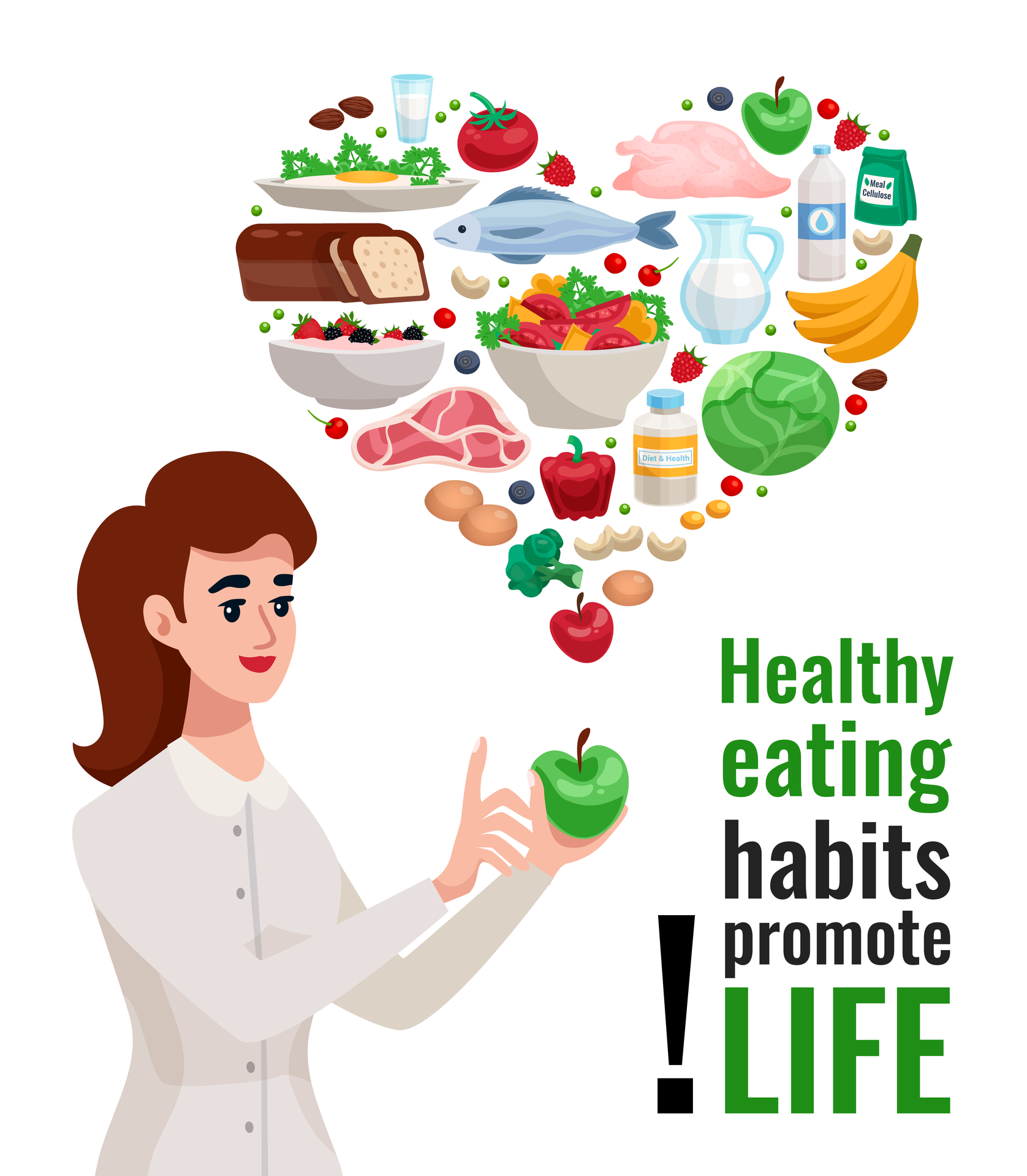
What Is a Balanced Diet?
A balance diet simply means eating the right kinds of foods in the right amounts to keep your body healthy and energized. It’s not about strict rules or avoiding your favorite meals. Instead, it focuses on enjoying a variety of foods that give your body what it truly needs—energy, strength, and protection from illness. No matter where you live in the world, a balanced diet helps you feel your best every day.
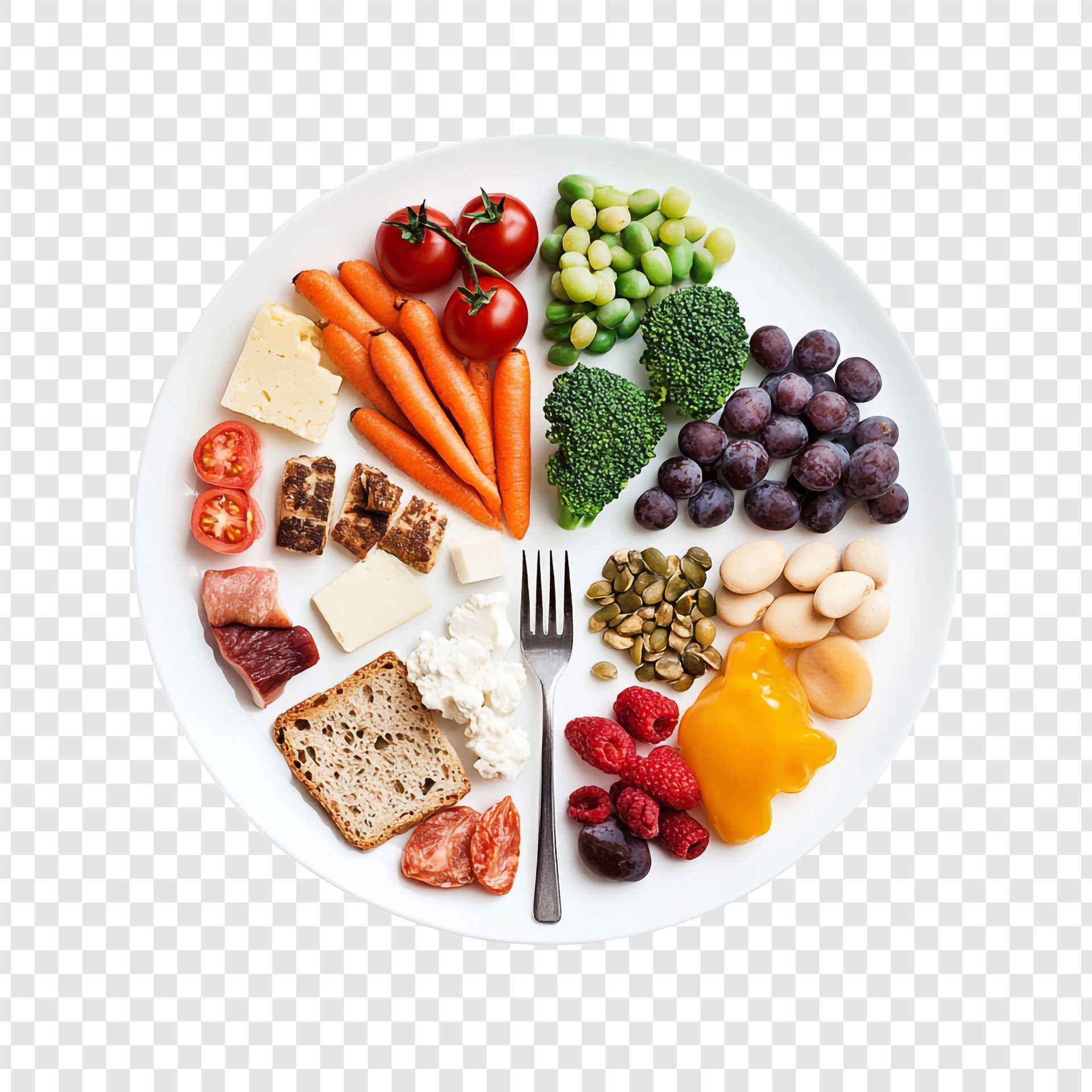
Why a Balanced Diet Is Important for Good Health
Helps your body work smoothly and stay active
Keeps your immune system strong and ready to fight sickness
Supports better mood, focus, and mental clarity
Lowers the risk of long-term health problems
Main Components of a Balanced Diet
Carbohydrates that give your body daily energy
Proteins that help repair and build muscles
Healthy fats that support brain and heart health
Vitamins and minerals that protect the body
Water to keep everything functioning properly
Role of Carbohydrates, Proteins, and Fats
Carbohydrates fuel your body for daily tasks
Proteins help maintain muscles, skin, and tissues
Fats help absorb nutrients and support hormones
A balance diet includes all three in healthy portions
Importance of Vitamins and Minerals
Vitamins help boost immunity and prevent illness
Minerals support strong bones, teeth, and muscles
Lack of these nutrients can cause weakness or fatigue
A balanced diet naturally supplies them through food
How a Balanced Diet Supports Daily Energy and Fitness
Keeps your energy levels steady throughout the day
Helps you stay active without feeling exhausted
Supports better workout performance and recovery
Makes daily movement feel easier and enjoyable
Balanced Diet for Different Age Groups
Children need a balance diet for proper growth
Adults need it to stay productive and energetic
Older adults benefit from foods that support joints and bones
Healthy eating is important at every stage of life
Balanced Diet and Weight Management
Helps maintain a healthy body weight naturally
Reduces unhealthy cravings and overeating
Supports fat loss while protecting muscle
A balance diet is easier to maintain long term
Healthy Eating Habits to Follow Every Day
Add more fruits and vegetables to meals
Choose whole foods instead of processed ones
Eat slowly and listen to your body
Drink enough water daily
Avoid skipping meals
Effects of an Imbalanced Diet on Health
Can lead to tiredness and low immunity
Increases the risk of obesity and disease
Affects mental health and concentration
Poor eating habits impact overall quality of life
How to Start Eating a Balanced Diet Today
Start with small, realistic changes
Improve one meal at a time
Focus on consistency, not perfection
Plan meals to avoid unhealthy choices
Enjoy food without guilt
Conclusion: Balanced Diet for a Healthy Life
A balance diet is one of the simplest and most powerful ways to care for your body. It helps you stay active, strong, and mentally sharp while supporting long-term health. No matter your age or lifestyle, choosing balanced meals every day can improve how you feel and live. Healthy eating isn’t about restriction—it’s about creating a better, happier life through balance.